
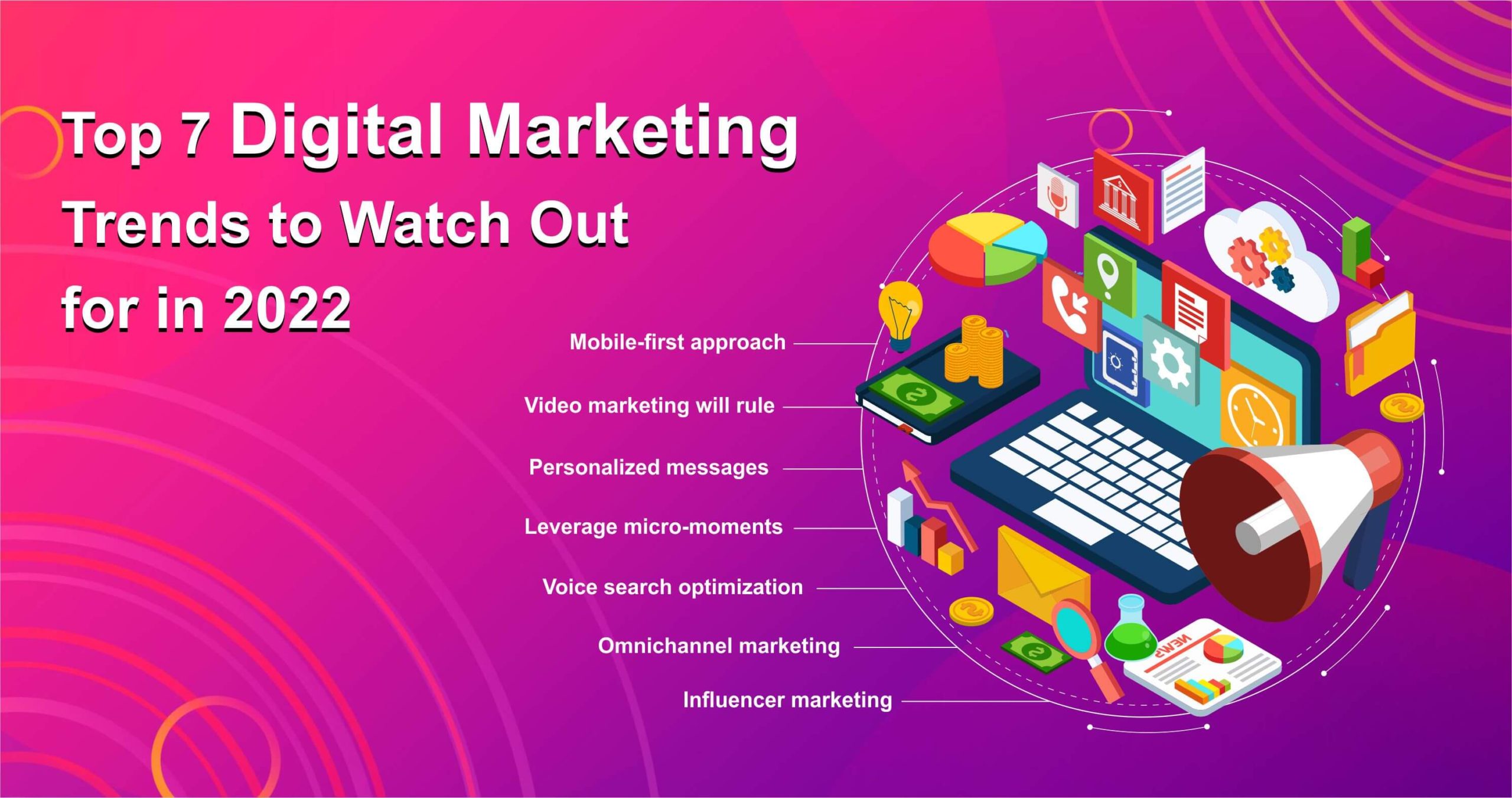
Video Marketing Trends
SEAL BEACH, CA, USA, November 6, 2022 // is one of the hottest trends in recent years. Video traffic is already a major part of Internet consumption. No wonder marketers have taken notice.for almost any brand, and the numbers show it. Consider the fact that millennials say videos are helpful when shopping. 60 percent of them say they prefer videos to reading newsletters.
The list goes on. People remember and prefer videos better. Almost everyone from business owners to teenagers spend hours every week watching videos.
Videos drive shares, engagement and landing page conversions. Is it any wonder brands want to participate?
Of course, the effectiveness of almost all techniques begins to decline over time. When you ask “What is video marketing?” you will get different answers as your strategy changes.
We've rounded up some of the top trends in video marketing. When it comes to strategy, the video landscape is conquerable.
A video-centric strategy is a major trend in video marketing
The crowning of video as king means more and more brands are adopting a video-first strategy. This means that video is at the heart of any content marketing strategy.
The numbers already show this trend in action. Brands are spending more of their marketing budget on video. By 2023, brands are expected to spend more than $100 billion on video content alone.
Platforms and other content become less important. Social media and streaming sites like Netflix are already disrupting television. Instagram's IGTV gets viewers away from their TV screens to watch long videos.
It also helps level the playing field between brands. A small business may not be able to afford a 30-second TV spot. But they can make a five-minute explainer video or host an hour-long live Q&A on their Instagram account.
Other channels and formats will not disappear, but their market share will be reduced compared to video.
IGTV is taking off and other social media platforms are following
When Instagram started, it was all about pictures. Recently, the platform has been experimenting with various video initiatives.
The latest is IGTV, which allows brands to upload long videos. Videos can be up to 60 minutes long, giving viewers a good idea of what the company does.
For smaller brands, this 60-minute format can feel overwhelming. Creating a video can be expensive, even if it only takes a few minutes. How much does it cost to make a 60 minute video?
The price may be lower than you think, but the content may be more complex. What will the company include in the 60-minute video?
However, IGTV is not the only social media initiative in video marketing. Facebook, YouTube and Instagram are heavyweights in this area. Other platforms like Tik-Tok are not far behind.
LinkedIn is a great example. The platform has included video in its offerings.
This is especially useful for B2B marketers. Your audience mostly lives on professional networking platforms.
Savvy video marketers will keep an eye on new developments as they spread across platforms.
A vlogging company
With the advent of YouTube, people switched from "blog" to "weblog". Text-based bloggers, record their thoughts and publish them in writing.
Vloggers jump in front of the camera to capture their experiences and thoughts. They then share this video with their audience.
Now vlogs will dominate the corporate world. Reason? Like blogging, vlogging gives your audience a behind-the-scenes look at your business.
At a time when consumer confidence in a brand is low, this is invaluable. Vlogs can give your audience an insight into the day-to-day of the company and show what's going on. This allows them to see the company and team not only as a brand, but also as the people behind the brand.
It's easier to trust a brand when a human face is used.
Short live videos inspire people to connect
IGTV may have pushed video marketing into long form, but short videos are still evolving. More significant is the short-term growth of video content.
Apps like Tik-Tok and Instagram are getting bigger.
Live video is also common inside and outside of the "story" format. Engage the audience, answer their questions or host a live show.
Why is this form of video marketing so effective?
They inspire people to connect. The interactive aspect of live video encourages participation. The limited time in this format tempts you to get in on the fun before it's too late.
Vertical, 360-degree and virtual reality videos are the main trends in video marketing
Wondering how to shoot a video? There are some trends to look out for. The first is vertical video.
It is very easy to understand. Most smartphone users hold their phones vertically. This means that the video must be optimized for vertical viewing.
Another exciting trend is 360-degree video and virtual reality. These videos are interactive and allow your audience to learn about your product or service. Automakers are using 360-degree videos to give car buyers virtual "tours" of new cars.
Drive to Authenticity standardizes the rules of the game
We mentioned that the cost of video can be a challenge for small businesses. This is one of the reasons why they avoid long video content. Overall, video is flat for brands big and small.
Even though big companies have bigger budgets, they neglect flashy production for authenticity. While not perfect, there's nothing more authentic than a live Q&A on your phone's camera.
Plus, subscribers love these types of videos. They do not want luxury production. Instead, they want to see authenticity.
This pursuit of authenticity creates a playing field. Anyone with a camera can create videos that are engaging and engage their audience.
Video is the king of content
People have been predicting video shoots for years. For the most part, it already refers to consumption.
As we said at the beginning, most of the internet traffic is video traffic. Additionally, the dominance of video continues to grow.
So why has video become the king of content?
Most brands think that the blogger is the king of content. At one point it was true. As the video became more popular, a shift occurred.
In the past, due to technological limitations, the Internet was text-based. The use of video has increased with the advancement of Internet technology. Streaming is not available on Netflix and Amazon Prime.
New internet technologies will only continue this trend. Take wireless 5G and its faster speeds as an example. Lag time and other common video problems are gone.
In return, companies can offer unlimited videos to their customers.
This is what customers want
The public will also demand videos. Statistics show that people understand videos more easily and remember them better. Also, most people prefer videos to reading text on the wall.
If a picture is worth a thousand words, what can a video do? Don't let clients work on blog text boxes. On the other hand, a two-minute vlog can tell them exactly what they need to know.
This does not mean that there will be no place for blogging. In fact, transcribing your videos is critical to accessibility.
The video funnel will appear
Perhaps the biggest change in video marketing is the use of best practices. Businesses will begin to develop tools to work more efficiently. Video Funnel is one of many new tools.
Like other marketing channels, video channels help plan video content businesses at every stage of the buyer journey. In turn, they have a plan each time they contact a new prospect.
Using a funnel helps marketers focus their efforts. This in turn leads to better conversions. The customer experience has also improved.
This is the year of punishment video
These video marketing trends will likely define the landscape of the future. The dominant trend is the use of videos only.
More and more brands are making the switch. Others are discovering how great video marketing can be.
Ronald Hollis
DIGITAL MARKETING BLVD
Visit us on social media.