
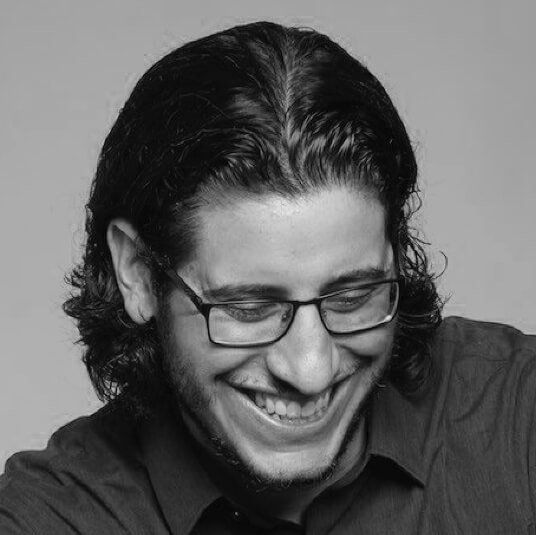
Irina Geri is the Chief Marketing Officer of Change Foods , which works at the intersection of food and climate, promoting a sustainable transformation of the food system.
From droughts and floods to wildfires, rising temperatures and hurricanes, the current and potential impacts of climate change are everywhere. However, a study by the Climate Action Tracker (via CNN ) shows that countries are still not coming together. The report, coordinated by the Paris Agreement and the World Meteorological Association, shows that the global concentration of greenhouse gases continues to rise.
What is preventing climate action? Why global governments, corporations and individuals sometimes fail to come together in a unified response? I think the answer is that, unfortunately, we do not have a common understanding of the problem. We have no truth.
Despite the global scientific consensus of more than 99% of scientists that humans are changing the climate, we still face a great deal of confusion and disagreement about the main issues and the actions needed. A recent poll by King's College London (via Bloomberg ) found that in Europe, "people estimate that 68% of scientists agree that anthropogenic climate change is occurring," when in fact the figure is almost 100%. In the United States, a study published in Nature Communications found that while 66-80% of the population supports basic climate change mitigation policies, they estimate that the spread of that support is only 37-43% on average. All of this may contribute to the lack of coordinated response.
Meanwhile, a report by the energy and climate think tank InfluenceMap (via CNN) found that “the amount of positive climate messaging used by the five largest oil and gas companies is in line with their spending on low-carbon operations. . PBS Frontline's three-part documentary "The Power of Big Oil" strongly challenged the industry. The documentary shows the leaders who helped lead these campaigns.
Now the media is dominated by promises of zero income and environmental messages. In my view, some of these companies have chosen to focus the story on their sustainability initiatives, but have overlooked the broader business strategies involved. Behind every one of these companies is a PR or marketing professional who does their job just by creating them.
So isn't it time marketers and PRs took an ethical oath? Isn't it time to look at our work and its impact from a broader perspective that goes beyond our immediate activities? You look honestly in the mirror and ask yourself, "Is my work having a positive or negative impact on the world?" Isn't it time to ask the question?
The profession of marketing and advertising is already one of the most unreliable professions. According to a 2020 Gallup study, advertising professionals are rated higher in the public's perception of their integrity and ethical standards than car salesmen and only members of Congress in the United States. However, the industry can still have an incredible influence on policy-making, public opinion and consumer behavior. Big marketing and PR companies can decide what we believe, how we vote, and what we buy. Isn't it time for industry to take responsibility for helping us make a livable planet? Isn't it time that marketers and public relations people took an ethical oath like the Hippocratic Oath taken by doctors?
This oath may extend beyond quality performance and honest customer service. This can go beyond personal interests and the interests of any individual organization. I believe this pledge should compel us to take a broader view of how our work and our clients' businesses contribute to peace through the lens of a broader ethical and moral responsibility to all humanity.
We all have choices about where we invest our time and talents. I think we need to challenge ourselves to evaluate our business and customers through a lens of broader impact. Sometimes this may mean leaving a job or business. Sometimes this may mean that the organization is responsible for the accuracy of information about the initiatives and impacts of its employees. Sometimes this can mean a Greenwashing complaint that needs to be followed up.
I know this is a complicated issue and I certainly don't have all the answers. However, given the implications of climate change, I do not believe that a narrow definition of professional ethics is necessary. I hope you will join me in discussing and shaping this promise, moving the marketing and public relations profession toward trust, integrity, and positive impact.
The Forbes Communications Council is a closed community for successful public relations, media strategy, creative and advertising agency executives. Am I right?