
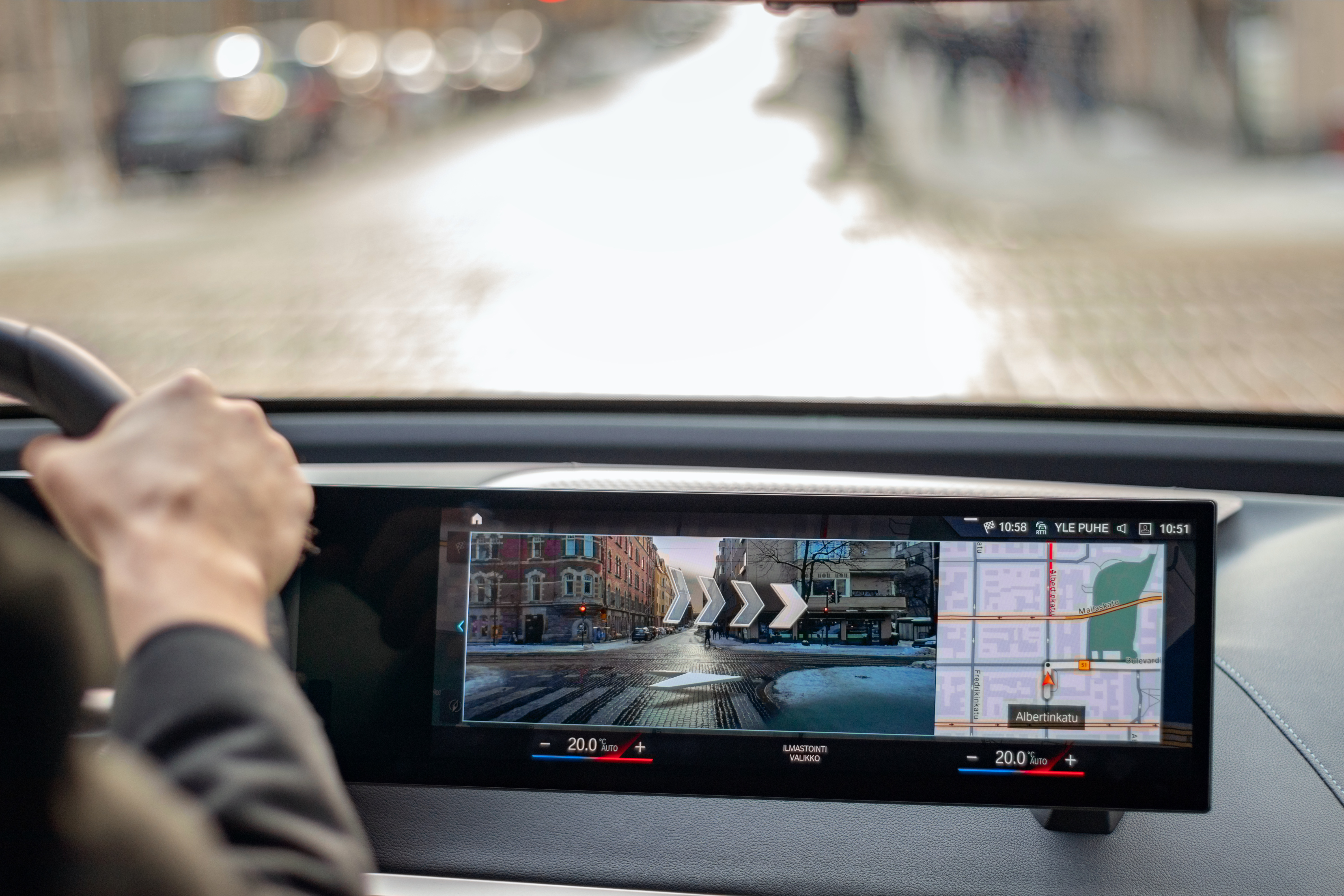
The average consumer spends 13 hours a week in their car, 27% more than in 2021. As consumers spend more time on the road, a new generation of connected cars is helping to turn cars into a third "home" environment. . It allows consumers to shop, be entertained, socialize and even work while driving or relaxing.
What is "third place"?According to Texas A&M University's 2021 Urban Mobility Report, the average commuter from New York to Newark spends an average of 56 hours in traffic. Los Angeles residents did best in 2020 with 46 hours per driver, but that's more than a full workweek spent in the car. This makes the car much more than a car; It is almost a living space where attention is highly focused and limited to a short time, which increases the impact of any content that interacts with the consumer. As new features are built into luxury cars and trucks, consumers will one day be able to use voice assistants to interact with their devices, connect at home or work, and discover new entertainment options. This means that Internet-connected cars are the gateway to immersive experiences that consumers will engage with every day.
What do the numbers say?American drivers are more active than last year, according to Waze research, and are traveling farther in the first quarter of 2022. They aim for more interesting activities. Visits to cultural and entertainment venues increased by 55%. 7% and travel. Sports centers increased by 76.8% compared to the same period last year. According to 87% of restaurant managers surveyed by Waze, consumers let their emotions decide where to eat. This means that travel is “decision time” for many consumers, and marketers need to be aware of the opportunities and risks associated with reaching new audiences.
Why is the third place important to marketers?No wonder people really hate being stuck in traffic. A study shows that people are willing to devote five minutes to another entertainment if it saves them a minute in traffic. Drivers are looking for ways to be distracted and are open to engaging with smart and creative content. This is an important opportunity for marketers, but it can be difficult to realize. While consumers are used to listening to the radio or podcasts in their cars, connected cars offer new ways of interaction, all of which can connect brands and consumers. However, these connections can easily become unwanted obstacles if traders are not careful.
Creating in-car marketing content is uncharted territory, but that doesn't mean there are some best practices to keep in mind. Here are some things to keep in mind when creating a new strategy:
Do it when it's worth itAs with any marketing plan, campaigns should be designed to deliver value to consumers by motivating them to participate without distracting them from their primary task or activity for long periods of time. This means that you not only provide content that is relevant to what the consumer is doing right now, but you also provide tools or access that bring immediate value to your audience. For example, discounts based on location or special content, traffic alerts that add to the fun of driving at slow speeds during road closures.
Stay local and relevantCar companies are using new technologies like augmented reality to showcase new cars. This may soon be expanded to include car displays of relevant content and specific information, but this content will only attract users if its configuration adds tangible benefits while driving or standing. For example, apps that send important car safety information and apps to the in-car display, as well as app streaming plugins designed to access any app from your in-car display while you're on the go.
Think about the setting firstFor many customers, a few minutes alone in their car is a welcome break. When these minutes stretch into an hour, this space can become a place of tension. Marketers must allow consumers to personalize their experience to match the mood of the room, and to access the features or information they need the way they want. For example, customers may need different types of content at different stages of their journey. Make sure your ad offers multiple iterations that interest you, such as active driving audio or app screen content for bumper-to-bumper traffic.
Don't forget to fill it outWhen trying to map out brand marketing opportunities for connected car digital experiences, here are some guidelines to keep in mind from the European Data Protection Commission.